


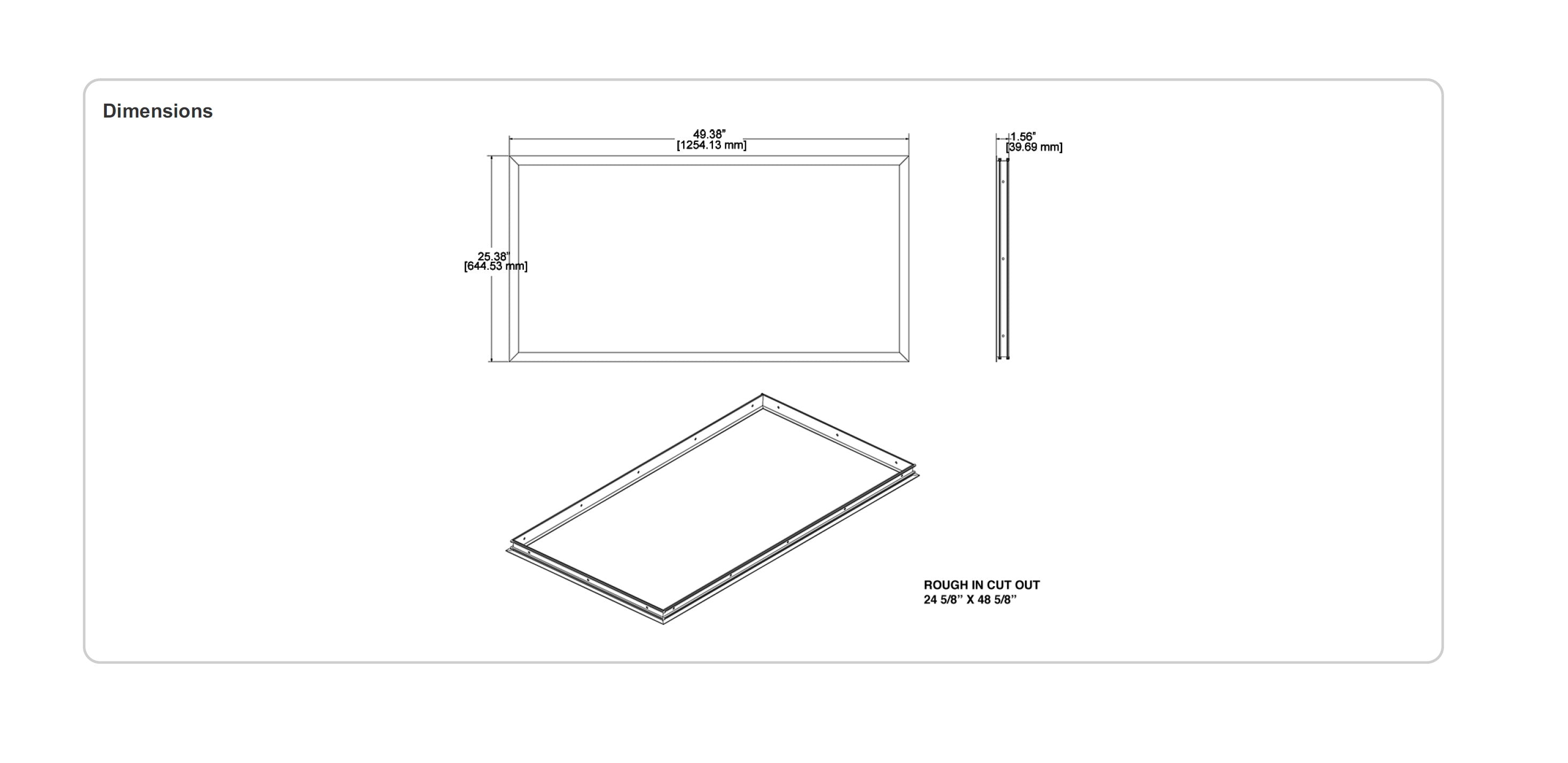
RAB Lighting RMKPANEL2X4 Recessed Mounting Kit for 2X4 Panel Fixtures
Choose your option
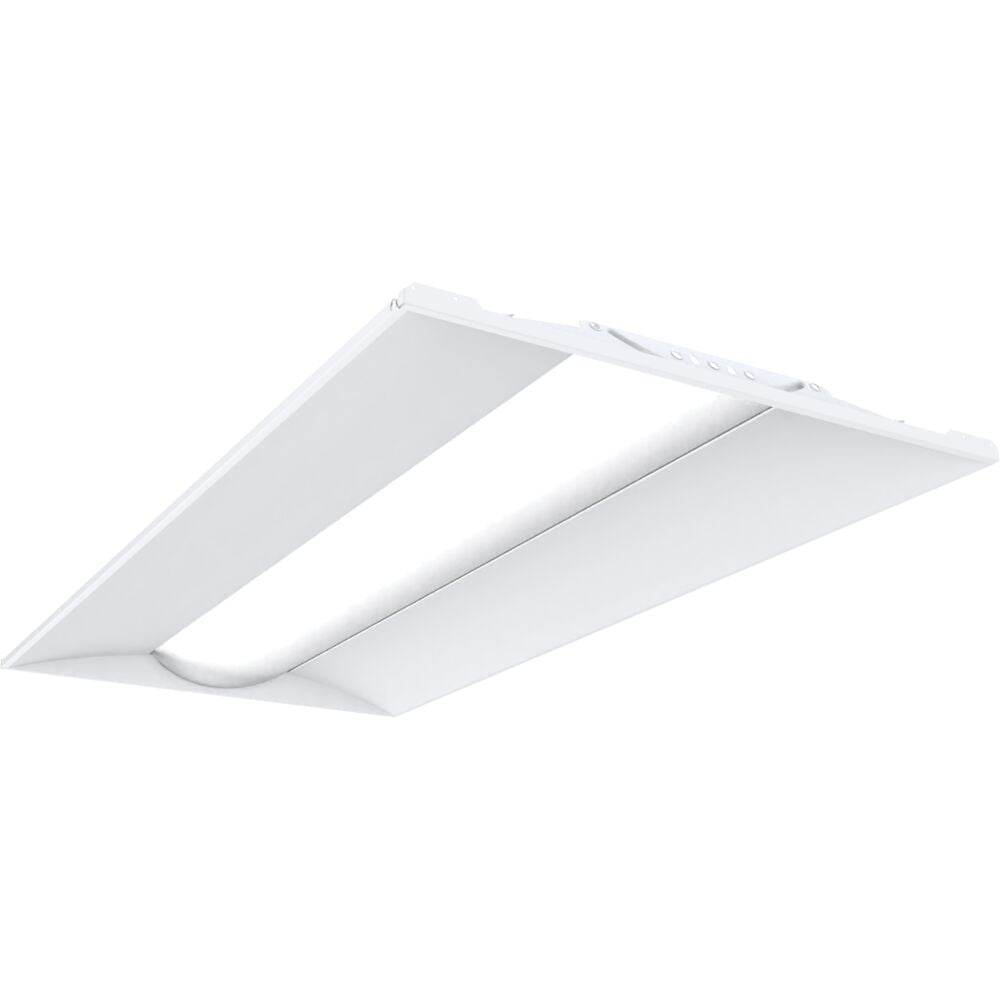
Lithonia Lighting STAKS 2X4 ALO6 SWW7 Stack Switch Recessed LED Center Element Lay-in Troffer Light Fixture Dimmable
Choose your option
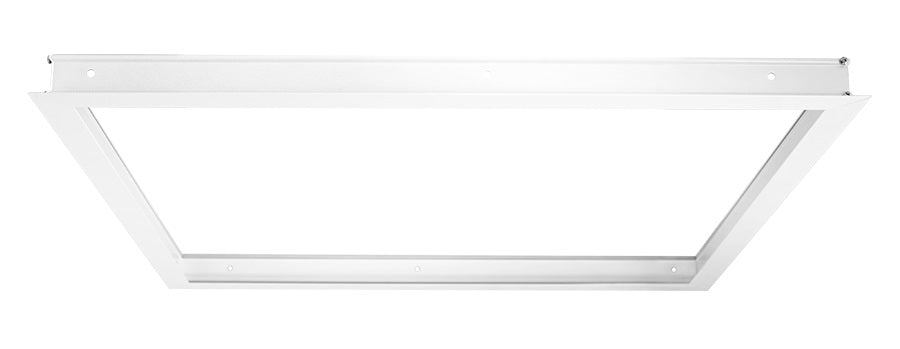
RAB Lighting RMKPANEL2X2 Recessed Mounting Kit for 2X2 Panel Fixtures
Choose your option
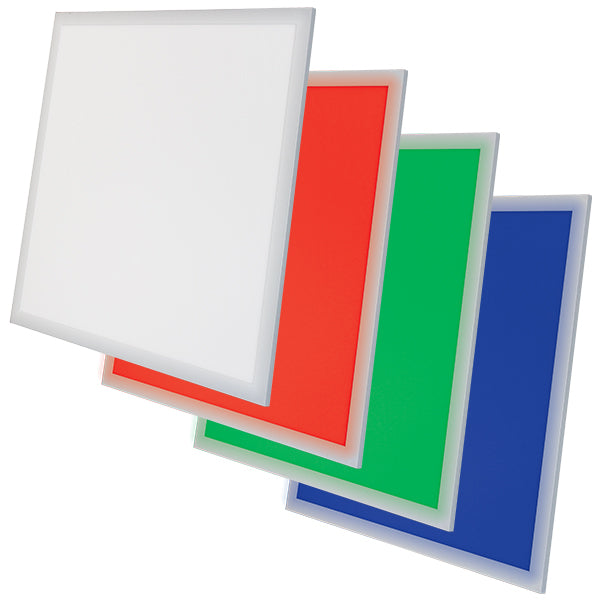
Barron Lighting RGBWFP Series RGB and Tunable White LED Backlit Flat Panel
Choose your option
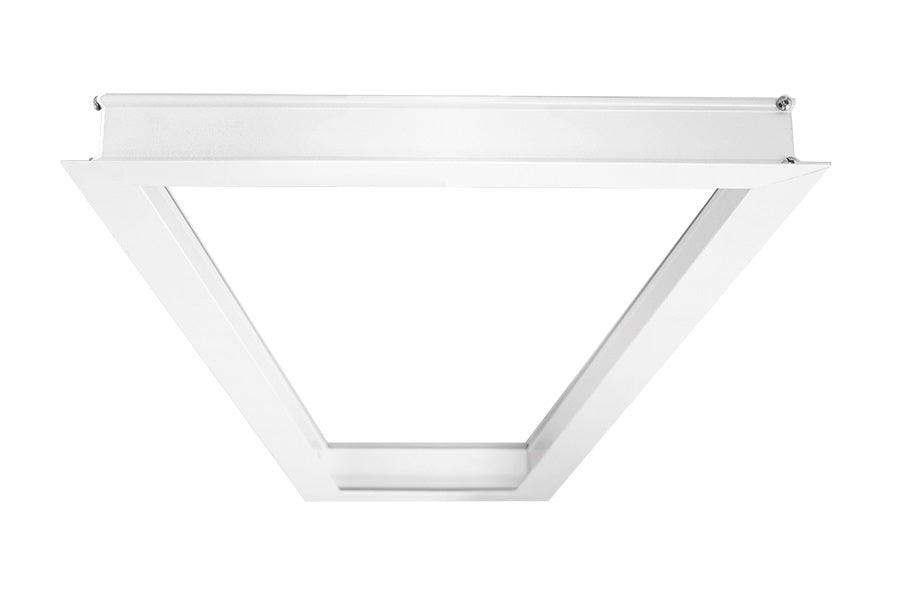
RAB Lighting RMKPANEL1X4 Recessed Mounting Kit for 1X4 Panel Fixtures
Choose your option
LSI Industries SFP FS Series Field Selectable LED Edge-Lit Troffer Retrofit Kit Gen 2 Dimmable
Choose your option
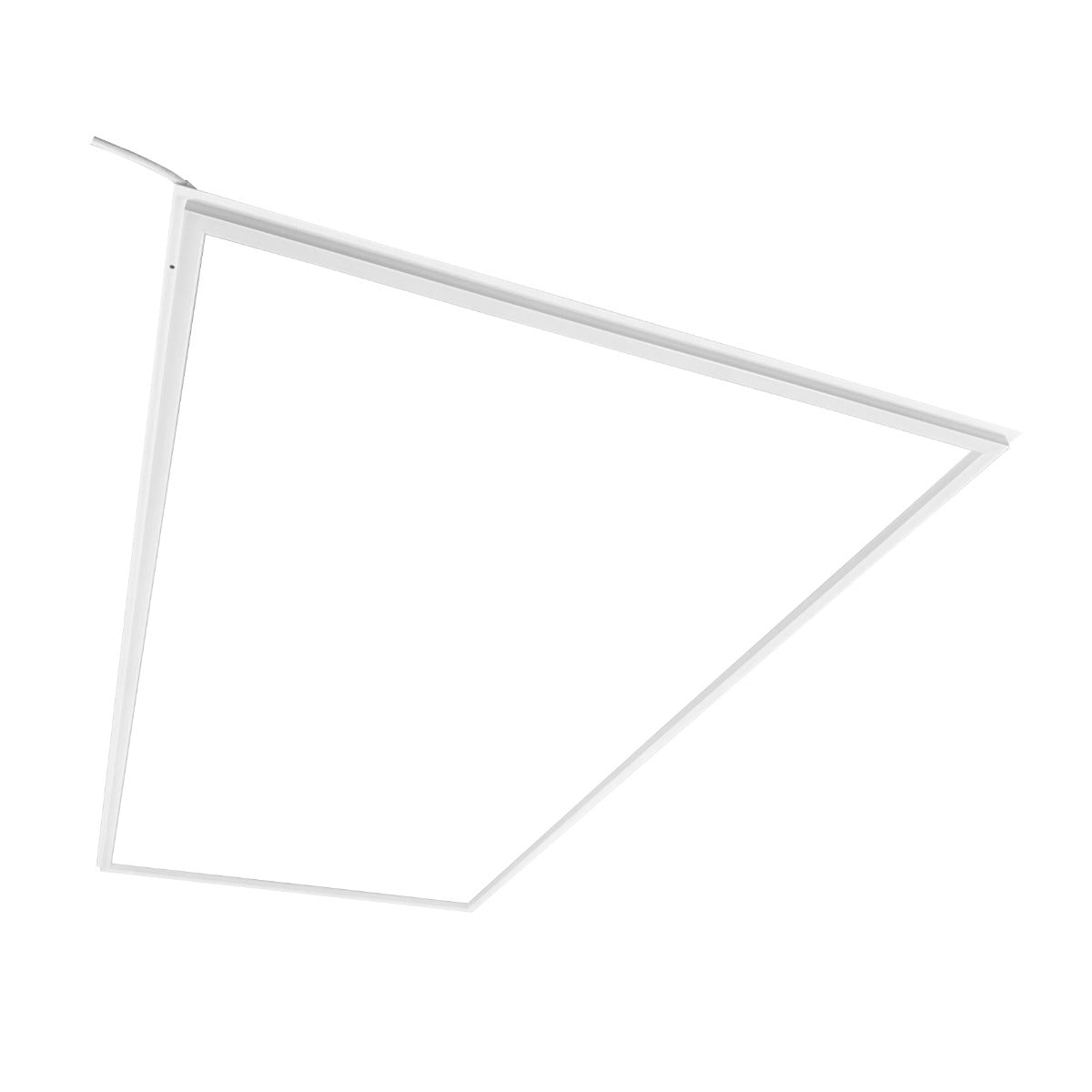
Westgate TGL-2X2-MCTP TGL Series 2x2 T-Bar Grid FRAME Light Fixture with Multi-Power and Multi-Color Dimmable
Choose your option
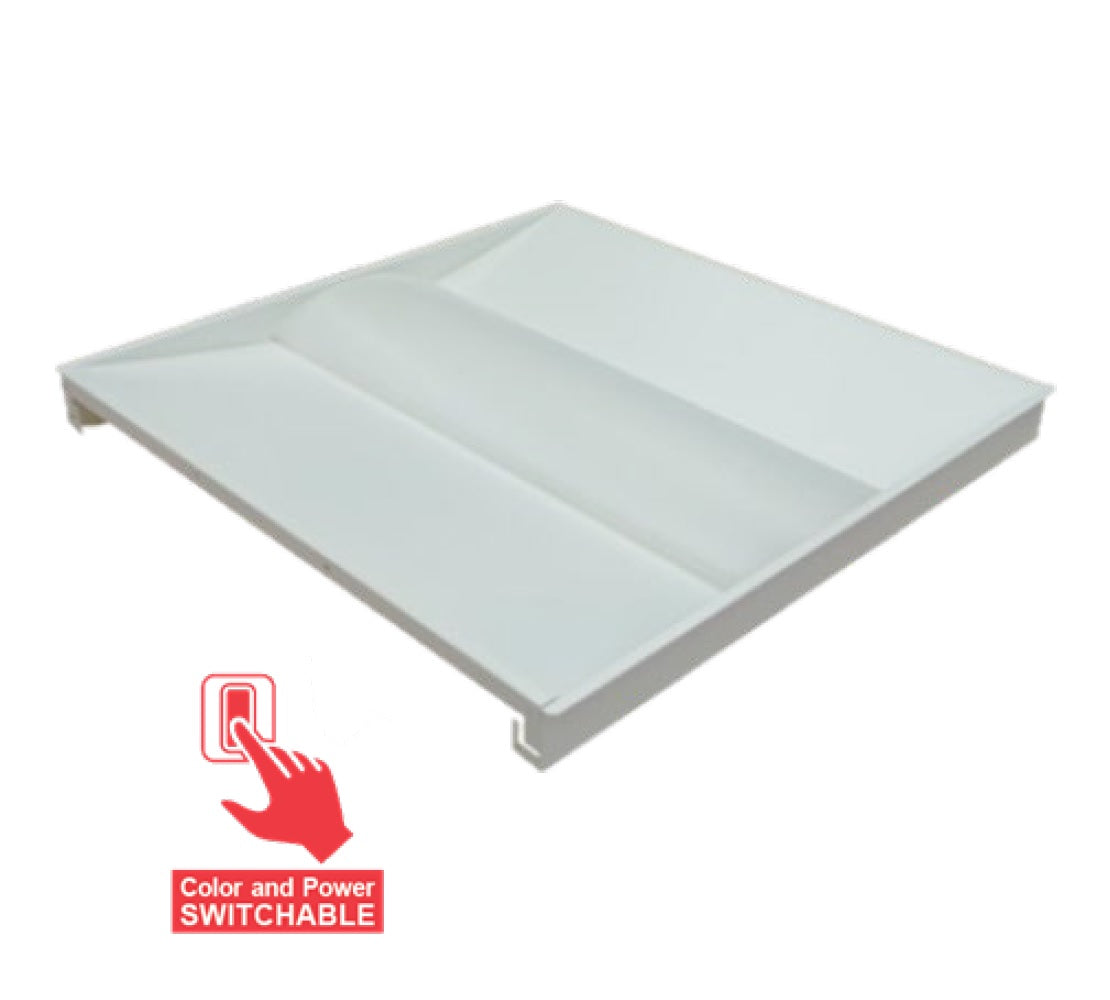
Barron Lighting CBLQ-24-CP DLC Premium Listed Wattage and Color Adjustable 2x4 LED Center Basket Troffer Light Fixture Dimmable
Choose your option
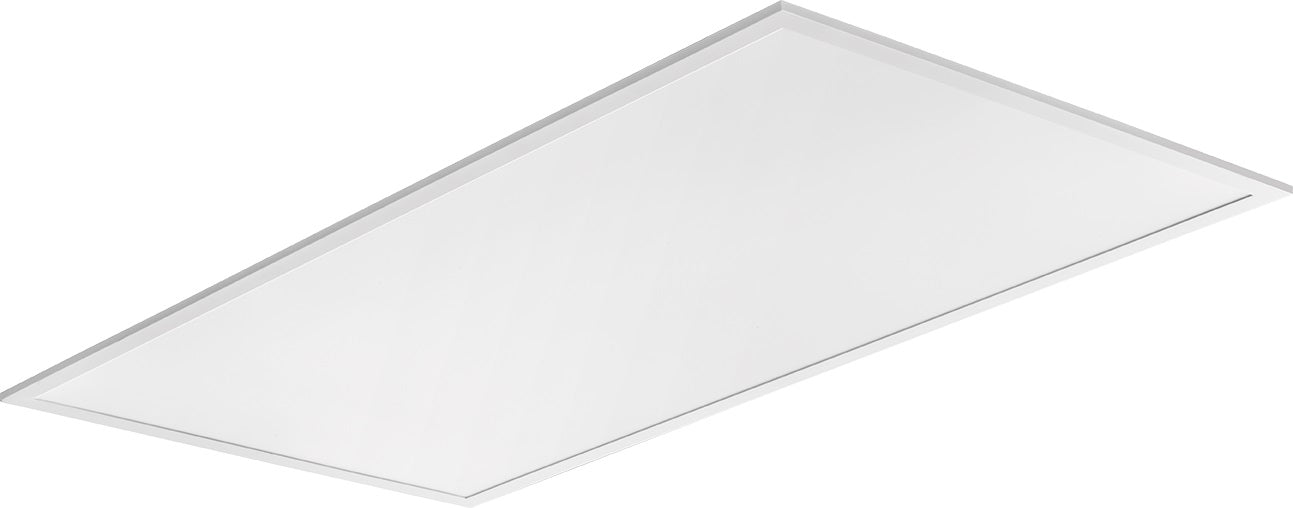
Lithonia Lighting CPX 2x4 Series DLC Listed Edge Lit LED Flat Panel Fixture Dimmable
Choose your option
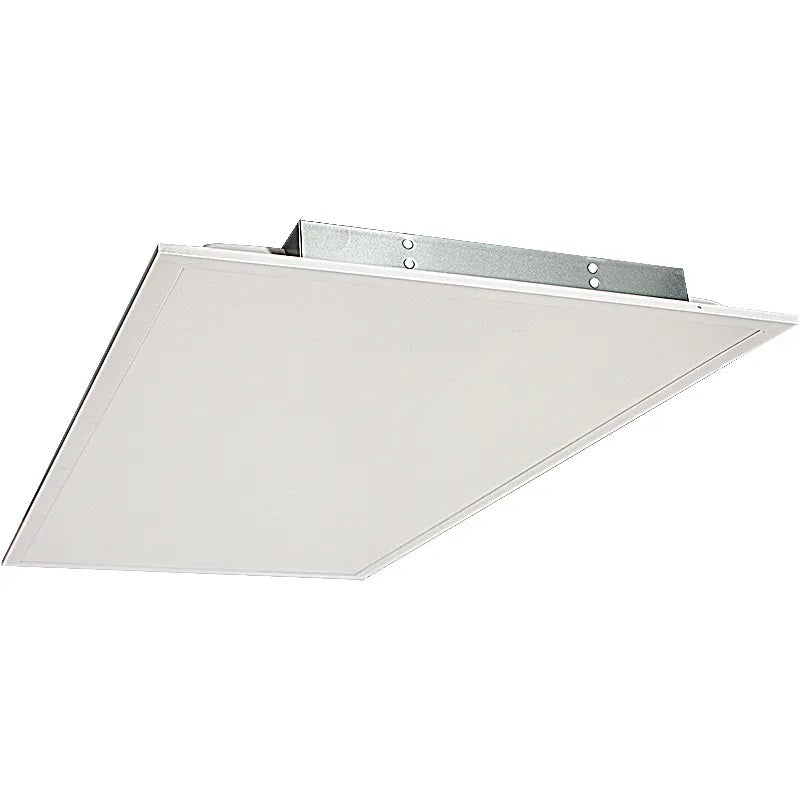
Westgate LPNG-2X4-MCTP4 DLC Listed Multi-Power and Multi-Color 2X4 LED Backlit Panel Light Dimmable
Choose your option
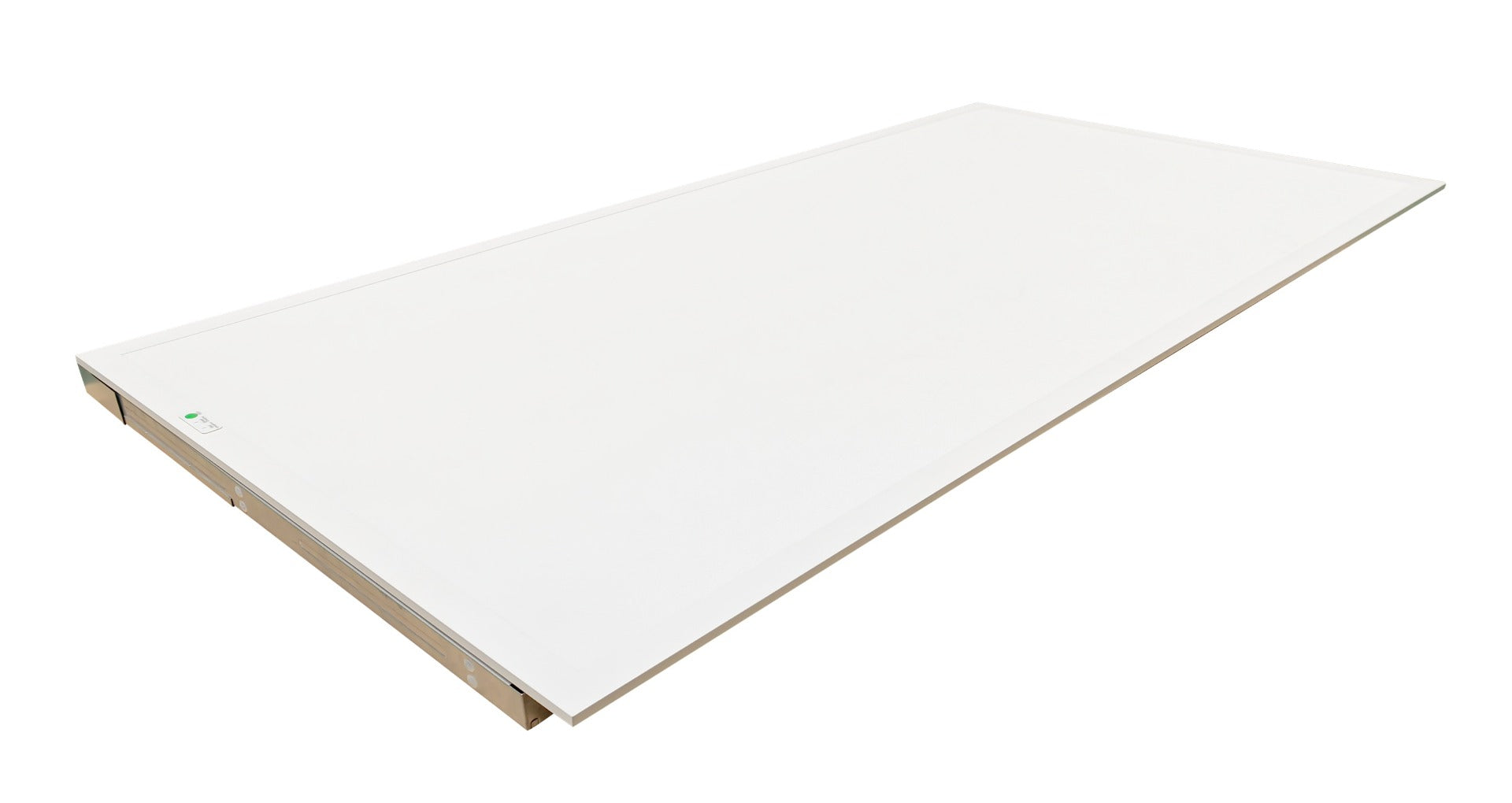
ASD Lighting ASD-BLP-24A50-4P Wattage and Color Selectable LED 2x4 Backlit Panel Light Fixture
Choose your option
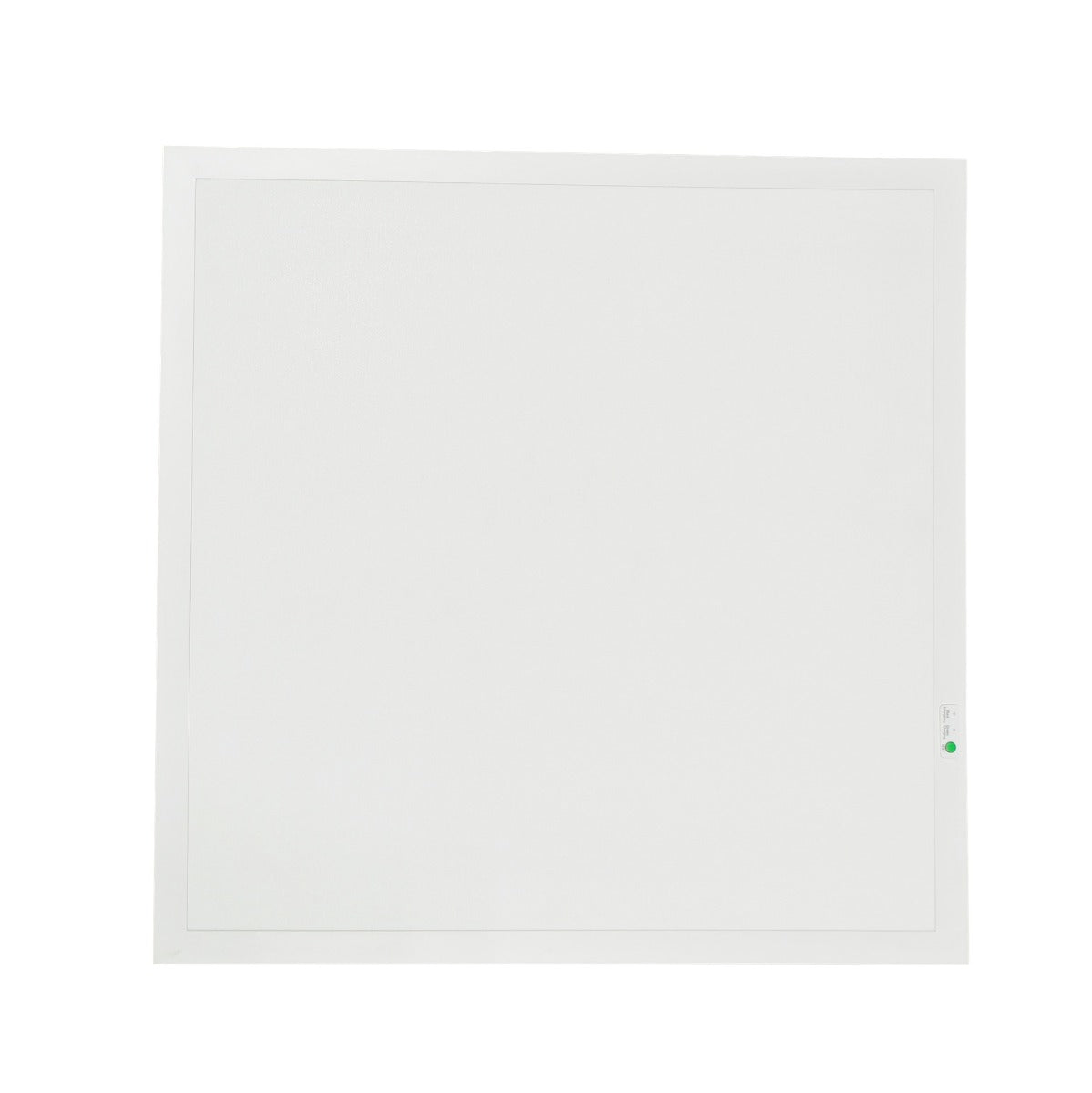
ASD Lighting ASD-BLP-22A30-4P Wattage and Color Selectable LED 2x2 Backlit Panel Light Fixture Dimmable
Choose your option
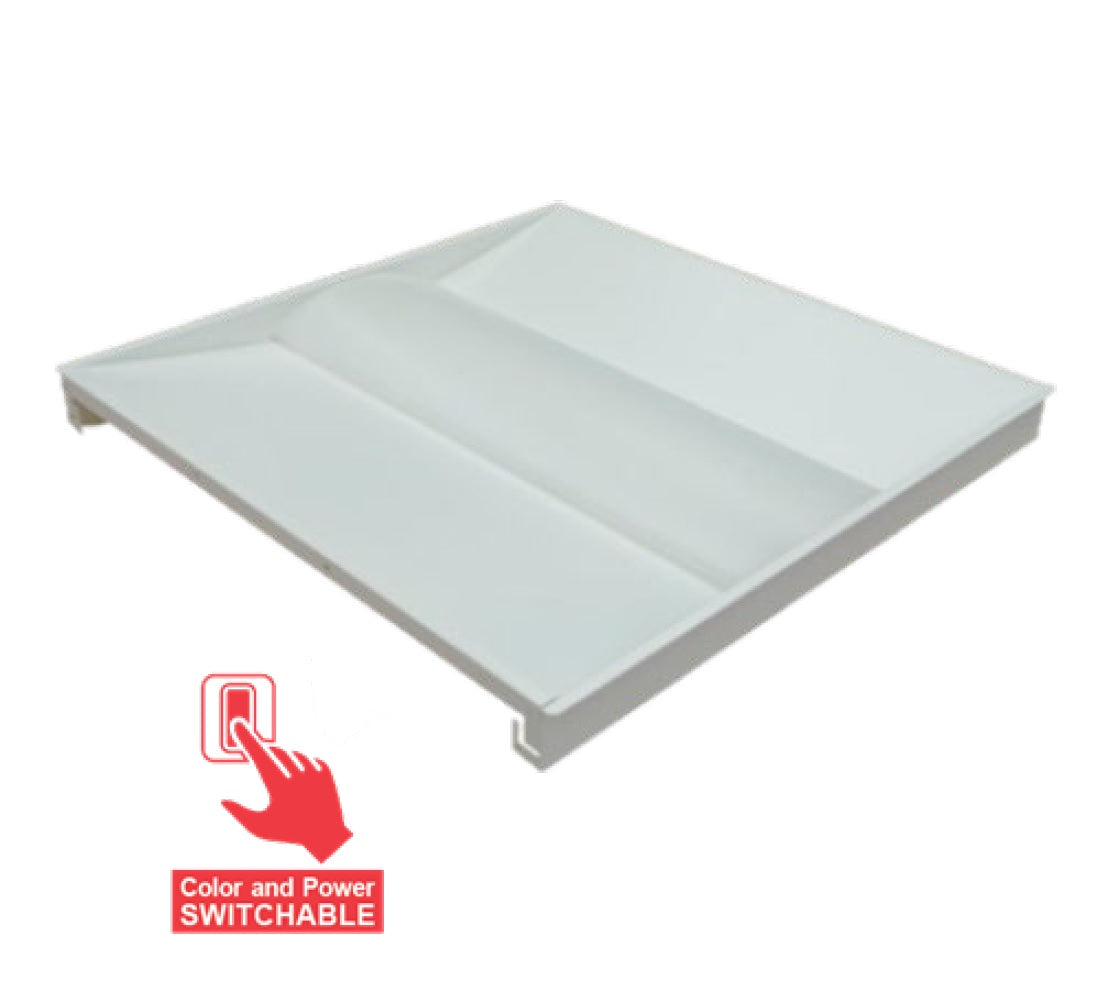
Barron Lighting CBLQ-22-CP DLC Premium Listed Wattage and Color Adjustable 2x2 LED Center Basket Troffer Light Fixture Dimmable
Choose your option
SLG Lighting TPS 14 30/35/45 G2 FSK Wattage and Lumen Adjustable 1x4 LED Backlit Panel Light Fixture Color Selectable Dimmable
Choose your option
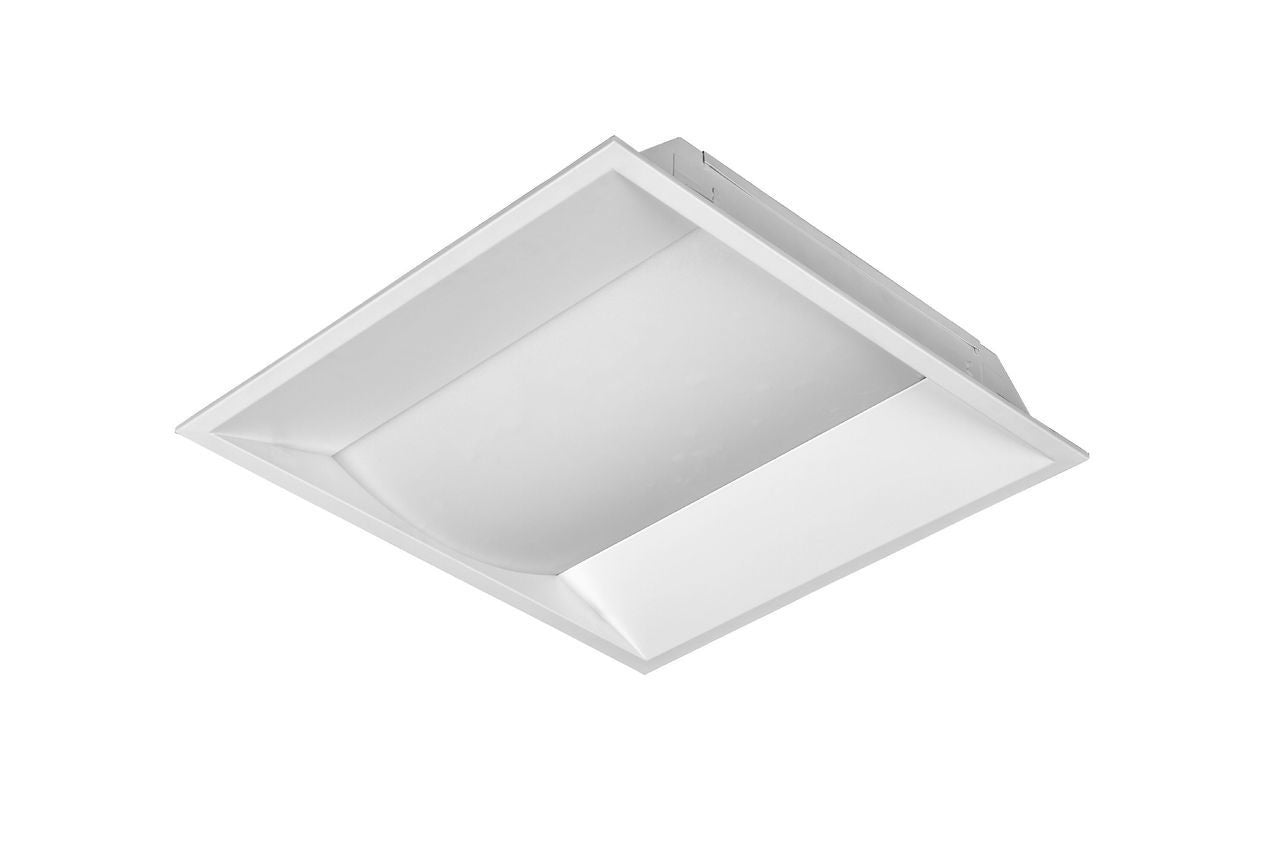
ATG Electronics RTUS24-S-30W-4K-PE 30 Watt 2x4 LED Nova Solo Troffer Light Fixture
Choose your option
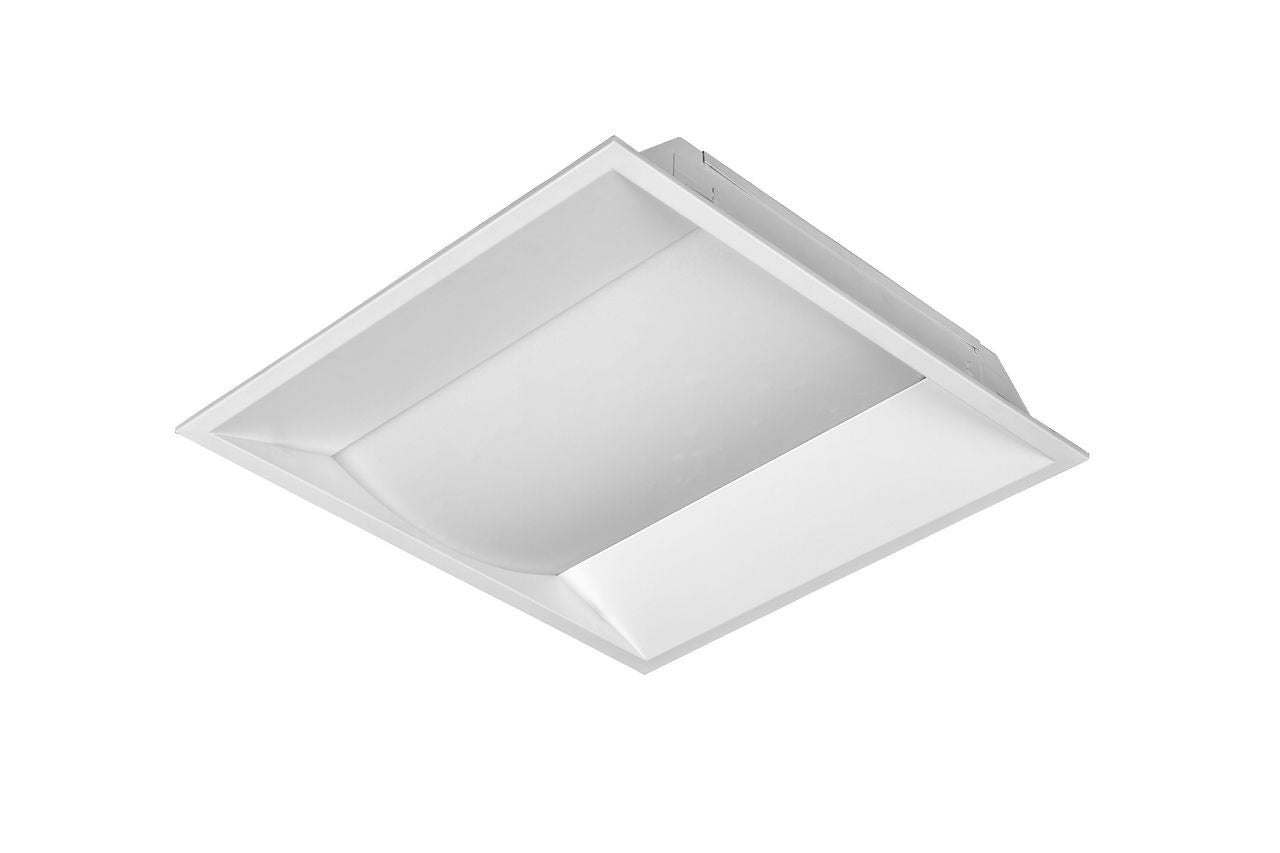
ATG Electronics RTUS22-S-30W-4K-PE 30 Watt 2x2 LED Nova Solo Troffer Light Fixture
Choose your option
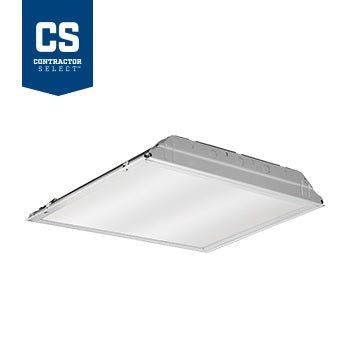
Lithonia Lighting 2GTL2 A12 120 LP840 35.4 Watt 2X2 Contractor Select LED Recessed Lay-In Troffer Fixture Dimmable 4000K
Choose your option
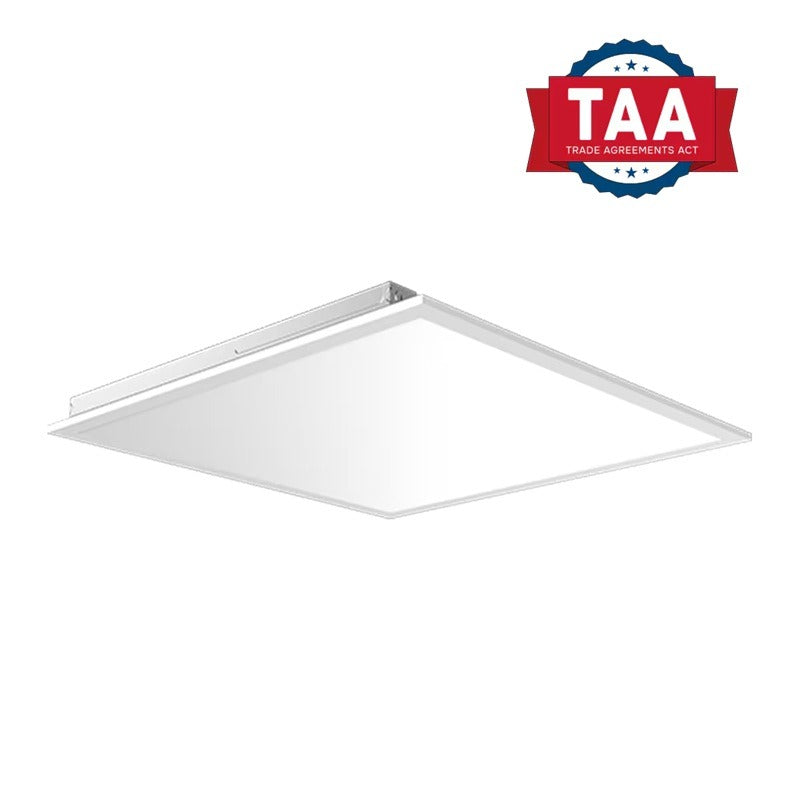
Eiko BP2-22-PS40P-8FCCT-UDIM Power and Color Selectable LED Back-Lit Low-Profile 2x2 Panel Light Fixture Dimmable
Choose your option
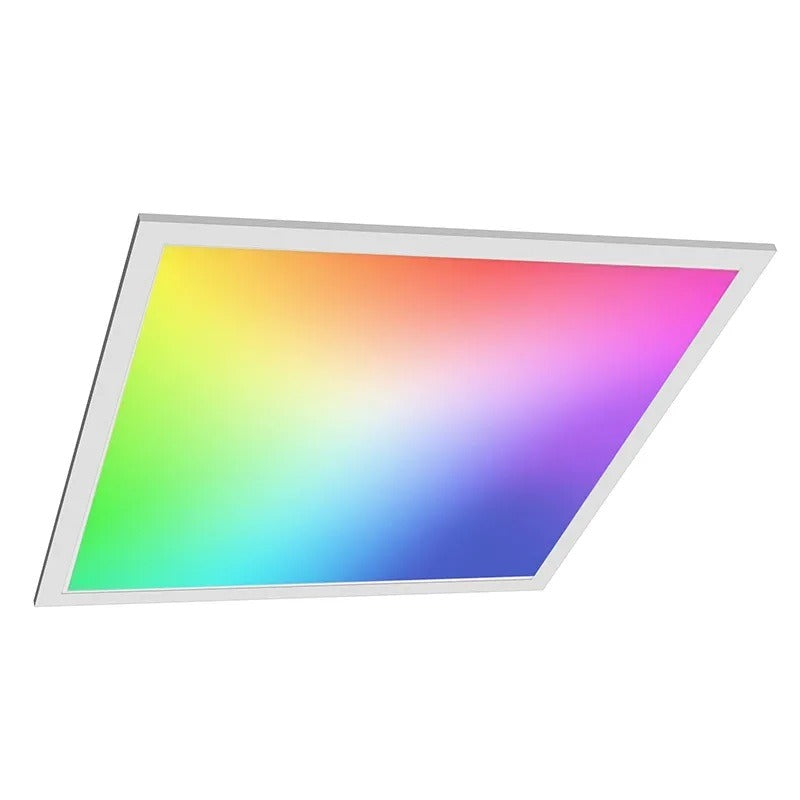
Westgate LPNG-2X2-RGBW 2x2 Indoor Commercial Backlit LED Panel Light Fixture Controlled via Remote or Westgate App
Choose your option
Panels & Troffer
Introduction to Lighting Options
For offices, schools, hospitals, and most other commercial spaces, getting the ceiling lighting right is not a small decision. It affects how people feel in the space, how well they can do their work, and what the energy bill looks like every month. LED troffer lights have become the standard answer to that problem in a lot of these environments because they deliver on energy efficiency, longevity, and light quality in a way that older fluorescent systems simply cannot match.
The shift toward LED troffers is not just about saving money on electricity, though that matters. It is also about getting better, more consistent light with less maintenance over time. As more facilities managers and business owners work through lighting upgrades, LED troffer lights keep coming up as the practical choice for commercial ceiling applications.
Types of Lighting Fixtures
The commercial lighting market has more options than it used to, which is mostly a good thing, though it does make the selection process a bit more involved. Panel lights are one of the more popular options right now. They use an edge-lit design that produces a flat, even output and a clean visual profile that works well in modern interiors.
LED troffer lights take a different approach. They are built to drop into standard ceiling grid systems, which makes them the natural choice for retrofitting existing spaces or speccing out new commercial builds. When you are evaluating options, color temperature, color rendering, and total lumen output all need to factor into the decision. Getting those specs right determines whether the finished space actually works the way it should. Lithonia Lighting is one of the more reliable names in this category, with a range of troffer configurations that covers most project requirements.
Overview Of What A Troffer Light Is
A troffer light is a rectangular or square LED fixture designed to fit into dropped ceiling grids. The grid does most of the structural work and the fixture drops in to provide uniform illumination across the ceiling plane.
Standard sizes are 2 ft x 2 ft and 2 ft x 4 ft, both of which correspond to common ceiling grid module dimensions. That sizing is not arbitrary. It is what makes troffers easy to integrate into existing ceiling systems without custom work.
Offices, waiting rooms, exam rooms, classrooms, and hospitals are where you see troffers most often. The combination of broad, even coverage and energy efficiency makes them well suited to spaces that need reliable illumination running for long hours every day.
LED Troffer Lights Benefits
Energy efficiency is the first thing most people bring up when they talk about LED troffer lights, and for good reason. A 2x2 LED troffer typically draws between 20 and 50 watts. A 2x4 runs between 30 and 75 watts depending on output level. Compared to the fluorescent fixtures they most often replace, that translates to energy cost reductions of roughly 50 percent. At scale, across a large facility running lights for ten or twelve hours a day, that difference adds up fast.
Lifespan is the other number that tends to get people's attention. Integrated LED troffer lights routinely carry ratings of 50,000 hours or more. That is several times what you would get from a fluorescent fixture, and it means significantly less time spent on maintenance calls and lamp replacements.
LED troffers also do not contain mercury, which simplifies disposal and reduces the safety considerations involved in handling failed lamps. Most quality products carry UL or DLC certification, which tells you the fixture has been tested against established safety and performance benchmarks.
Light quality is worth mentioning separately. LED troffers produce consistent output across the fixture surface with better color rendering than most fluorescent alternatives. For commercial and institutional spaces where people are working under these lights for hours at a time, that consistency matters more than it might seem.
LED Troffer Light Versus Panel Lights
Panel lights and troffer lights get compared frequently because they occupy similar territory in commercial ceiling applications. The visual difference is the most obvious one. Panel lights use an edge-lit design that keeps the fixture profile very flat and gives the ceiling a sleek, contemporary look. Troffer lights use a recessed box design that sits in the ceiling grid and has a more traditional commercial appearance.
On light distribution, troffers have an advantage in larger spaces. They are built to throw broad, uniform light across wide areas and do a better job of minimizing shadows and glare in open-plan environments like offices and schools. Panel lights deliver even lighting as well, but troffers tend to perform more consistently at scale.
Installation flexibility is comparable between the two types. Both can be recessed into ceiling grids and both have surface-mount versions available for spaces where recessed installation is not an option. That makes either type workable in a wider range of ceiling conditions than people sometimes assume going in.
Troffer Light Sizes And Configurations
The 2x2 and 2x4 foot sizes cover the vast majority of commercial applications. Both are sized to fit modular ceiling grid systems, which is what makes them practical for large installations where dozens or hundreds of fixtures need to drop in cleanly and align with the grid.
Within those size categories, there are a few configuration options worth knowing. Center-basket troffers use a central diffuser element that spreads light evenly in all directions from a central point. Volumetric troffers give you broader, more widespread output across the fixture face. Flat panel configurations offer the most minimal profile if aesthetics are a priority.
Matching the configuration to the space and the lighting goal is more useful than defaulting to whatever is most common. A center-basket troffer that works well in a general office may not be the right call for a corridor or a space with specific task lighting requirements.
Color Temperature And Color Rendering
Color temperature is measured in Kelvins and determines whether the light reads as warm or cool to the people in the space. Lower values around 3000K give you a warmer, more amber-toned light. Higher values at 5000K and above produce a crisp, blue-white output that feels more energizing. Most commercial spaces land somewhere in the middle, using color temperatures between 3500K and 5000K to balance comfort with the kind of alertness that keeps people productive through a workday.
Color rendering index measures how accurately a light source shows the true colors of what it illuminates, on a scale from 0 to 100. For offices, classrooms, exam rooms, and any space where people are making decisions based on what they see, a CRI of 80 or higher is the practical minimum. Below that threshold, colors start to look shifted or flat in ways that most people notice even if they cannot name the cause.
Getting both of these specs right for the specific space you are lighting matters more than picking the most popular option. A hospital exam room and a school gymnasium have genuinely different requirements even though both might end up with troffers in the ceiling.
Controls And Dimming For LED Troffer Lights
Dimming compatibility is something to check before you commit to a troffer fixture, not after. Not all LED troffers support the same control protocols, and mismatches between the fixture and the control system create problems that are annoying to troubleshoot. Most quality commercial fixtures today support either DALI or 0-10V control, both of which integrate cleanly with modern building automation and lighting control systems.
Tunable white fixtures add another layer of flexibility. They let you adjust color temperature along with brightness, which is useful in spaces that serve different functions across the day. A conference room that runs bright and cool during working sessions and shifts warmer for evening events is a practical example. That capability used to require specialized systems. Today it comes standard in a lot of mid-range commercial troffer lines.
Lithonia Lighting And Brand Considerations
Lithonia Lighting has built a strong reputation in the troffer market over a long period of time. Their product range covers a wide span of commercial and institutional applications, and their catalog is detailed enough that you can spec fixtures with confidence rather than guessing about how a product will perform.
The CPX, GTL, and BLT series are among their most widely specified troffer lines. Each is designed around performance and energy efficiency, and all three have the kind of build quality and reliability documentation that facility managers and electrical contractors look for when they need products to perform consistently over years of daily use.
Having access to full spec sheets and photometric data matters when you are selecting fixtures for a real project. Lithonia makes that information available in a way that makes the selection and specification process more straightforward than it sometimes is with lesser-known brands.
Installation And Retrofit Best Practices
Before anything gets installed, compatibility between the troffer and the existing ceiling grid system needs to be confirmed. Most standard troffers fit standard grid systems, but there are enough variations in ceiling construction that assuming compatibility without checking is a mistake on larger projects.
Driver wiring and electrical junctions need to be verified against the fixture specifications before energizing. For straightforward single-fixture retrofits, an experienced electrician can usually work through this without much difficulty. For large multi-fixture projects, bringing in professional installers from the start is worth the cost. Mistakes in large commercial installs are expensive to fix after the fact.
Retrofitting existing spaces with LED troffers is generally less complicated than it looks. Most LED troffer retrofit kits are designed to work with existing housing, which reduces the scope of the work considerably. The main thing to check is that the new fixture's wiring and driver are compatible with the existing electrical setup before the old fixture comes out.
Energy Savings, Rebates, And Performance Specs
Lumens per watt is the efficiency metric that matters most when you are comparing troffer options. It tells you how much usable light output you get for each watt of power the fixture consumes. A higher lumens per watt rating means more light for less energy, which is what drives the long-term savings case for LED troffers.
To get a rough sense of annual energy savings before you buy, compare the wattage of your existing fixtures against the LED troffers you are considering. Multiply the wattage difference by annual operating hours and your local electricity rate. The result will not be exact, but it gives you a defensible ballpark number for the savings conversation.
DLC listing and ENERGY STAR certification are both worth looking for, particularly if utility rebates are part of the project economics. Many utility rebate programs tie eligibility to one or both of these certifications. The DLC and ENERGY STAR databases are publicly searchable and will show you which products qualify, what the performance specs are, and in some cases what rebate amounts are available in your area. That information can shift the math on a project meaningfully, especially at larger scale.