
When you’re thinking about installing new lighting in your home or business, it’s easy to get overwhelmed by the sheer amount of options out there. There are countless types of ceiling lights and light fixtures to choose from, including pendants and decorative fixtures, each with its advantages and disadvantages. The key is to find out what works best for you, and consulting a lighting designer can help you achieve optimal placement and design. This guide is designed for homeowners and business owners considering new lighting solutions, helping you decide if recessed lighting is the right choice for your space by understanding its pros and cons.
One popular lighting fixture you can consider is recessed lighting, a flexible technology that is incredibly effective for some applications and not so great for others.
The type of lighting you choose for your space is vital to its function. If you’re considering recessed lighting as part of your residential or commercial space, then it’s vitally important to weigh the pros and cons—are recessed lights the right choice for your needs, considering factors like energy efficiency, design aesthetics, and installation requirements, such as having enough room in your ceiling? That way, you can discover whether recessed lighting is right for you.
As a distinct lighting option, recessed lighting offers you a versatile and understated lighting method, one that can fit into many different applications and doesn’t make a big design statement. You can use it in specific rooms that take advantage of its benefits, but you also need to be aware of its downsides. Recessed lighting uses different types of bulbs, with modern fixtures often utilizing LED bulbs and LEDs, which have replaced older incandescent and halogen light bulbs due to their energy efficiency, lower heat output, and longer lifespan. Many recessed fixtures are available with dimmable and dim options, allowing you to control ambiance and energy use. Proper fixture design and placement can help minimize glare, and modern LEDs produce less heat, making them safer for installation near insulation. When planning your layout, be mindful of the 'airport runway' effect, which occurs when fixtures are spaced in straight lines; following spacing guidelines for your fixture size can help achieve the desired look. If you want more light, consider layering recessed lighting with other sources for improved room ambiance. Additionally, LED strips can stick into channels or molding for indirect lighting, offering even more flexibility in your lighting design.
Introduction to Recessed Fixtures
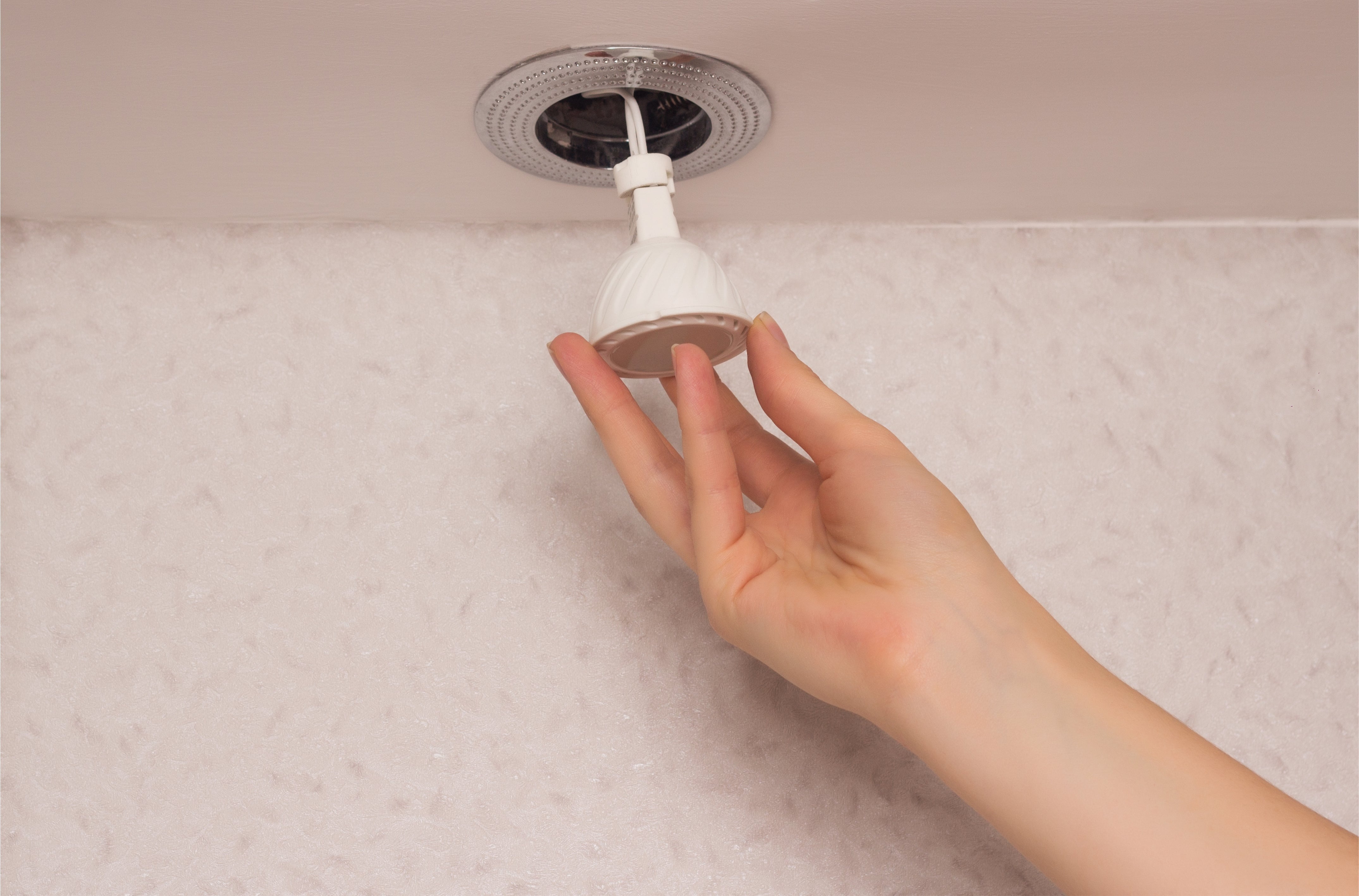
Recessed lighting is installed in the ceiling, providing a clean and streamlined look to a room. Recessed lighting has become a go-to solution for those seeking a modern, streamlined look in their homes or commercial spaces. Recessed fixtures—often called recessed cans or downlights—are installed directly into the ceiling, allowing the light source to sit flush with the surface. This design not only keeps the ceiling uncluttered but also offers a versatile way to illuminate any room. Recessed lighting is often referred to as "can lights" or "downlights".
One of the main reasons recessed lighting is so popular is its ability to provide both ambient lighting and focused task lighting, depending on how and where the fixtures are installed. Professional lighting designers often recommend recessed light fixtures for their flexibility; they can be used to highlight specific areas, such as a kitchen island or a reading nook, or to create a soft, even glow throughout a living room or bedroom. When paired with other lighting elements like table lamps, semi flush mounts, or flush mounts, recessed lighting helps build a layered lighting scheme that enhances both function and atmosphere.
The advent of LED fixtures has made recessed lighting even more appealing, offering energy efficiency and long-lasting performance at a lower cost over time. Whether you’re looking to install recessed lighting in a new build or as part of a renovation, it’s important to consider factors like ceiling height, room size, and the overall lighting needs of your space. Recessed cans can be a smart choice for rooms with low ceilings, as they don’t intrude into the space, and they work well in a variety of settings—from living rooms and kitchens to hallways and bathrooms. For more details on the distinction between can lights and recessed lights, it’s helpful to understand how each style is constructed and installed.
Ultimately, recessed lighting gives you the freedom to create the perfect ambiance, whether you want bright overhead lighting for work areas or a warm, inviting glow for relaxation. By understanding the unique benefits and considerations of recessed fixtures, you can make informed decisions that will help you illuminate your space beautifully and efficiently.
The Pros of Recessed Lighting for Ambient Lighting
Ideal Applications for Recessed Lighting
Recessed lighting is an unobtrusive and effective way to illuminate your spaces with style and sophistication. It is especially ideal for rooms with low ceilings because the lights are built straight into the ceiling, making them a practical choice for spaces with limited clearance. This design is particularly helpful if you are concerned about bumping your head on hanging fixtures such as chandeliers. Recessed lighting works well in bathrooms and hallways where maximizing open space is important. Additionally, by freeing up overhead space, recessed lighting can make a room appear larger. It is also well-suited for family rooms, providing general illumination for activities like playing games, crafts, and gatherings, where a relaxed yet functional lighting setup is preferred. Homes featuring recessed lighting often have increased property value and are perceived as more modern and upscale.
Highlighting Features and Task Lighting
You can use recessed lighting to highlight architectural features such as a fireplace, drawing attention to focal points and adding visual interest to your living spaces. It provides clear, focused light that can be integrated into your overall room design. Recessed lighting is useful for illuminating displays of artwork or antiques that serve as strong design elements in your interior decor. The spotlight effect created by recessed fixtures helps illuminate reading areas, work desks, or dining tables where strong, clear light is necessary. When you have a well-planned space, recessed lighting can enhance how each part functions. It is ideal for illuminating kitchen countertops, providing focused task lighting that makes food preparation and cooking safer and more efficient, especially when you understand key lighting metrics like lumens and candela to balance brightness and beam focus.
Recessed Lighting in Kitchens and Bathrooms
The unobtrusive, directed light you get from recessed fixtures is perfect for culinary spaces, where strong light is needed on areas like counters, islands, and stoves. Any place where you do prep work, cooking, or home crafts benefits greatly from recessed lighting. Recessed lights are also excellent for bathrooms, especially above showers, as they provide a waterproof fixture that can withstand high moisture levels. If you want a light in your shower, recessed lights are practically essential since hanging or protruding fixtures would be unsafe and get in the way.
The Cons of Recessed Lighting
Potential Energy Efficiency Issues
One downside of recessed lighting is the possible energy efficiency problems they might create in your home or business. To install recessed lighting, you have to cut holes in the ceiling and sometimes parts of the walls, which then become potential areas that air can leak in and out of your house. In hot or cold climates, this could be a potentially expensive energy problem, one that may not be worth it when weighed against the benefits of recessed lighting. When the recessed lights are installed correctly, it's typically not an issue, but if they're not you could be paying for it in the long run.
The Cave Effect
Another problem is what designers call “the cave effect.” Essentially, this occurs when there are a handful of concentrated bright spots in a room, often coming from the direct beam of a recessed light, while the space along the walls remains comparatively dark. For some spaces, this effect might create just the mood you're looking for; however, in many other rooms, it can be distracting and detract from the overall aesthetic quality.
Cost and Installation Considerations
To downplay "the cave effect," you often have to install quite a few recessed lights in every room, sometimes more than ten. This can often be very expensive and also increases the chance that you'll have an energy efficiency issue when you're cutting holes in your ceiling. When you factor in the cost of the fixtures along with the risk of exposing your space to possible air leaks, it might not be worth making the investment in recessed light fixtures. Additionally, installation can be more expensive than traditional fixtures due to the need for cutting into the ceiling.
Should I Install Recessed Lighting?
When it comes to making a final decision on recessed lighting, your best bet is to weigh the pros and the cons and see how they apply to your particular space and its needs. For some applications, such as movie theaters, kitchens, bathrooms, and art galleries, recessed lighting can be a great option.
For other spaces, recessed lighting may not be the best option. This could include living rooms, dining rooms, bedrooms, and more.
Whatever sort of lighting you decide on, we are here to help. Please give the Shine Retrofits team a call for guidance in making the lighting decision that is best for you, or reach out through our contact page. You can reach us at 1 (800) 983-1315 anytime from 6 am to 6 pm, Mountain Standard Time. If you are comparing recessed lighting with other technologies, you may also find our resources on installing and maintaining fluorescent lights, a comprehensive guide to fluorescent lights, and the history of outdoor lighting helpful. We look forward to hearing from you!